Get Thorough HVAC Inspection Service in Broken Arrow, OK
An HVAC system that operates without regular inspections can develop problems that are difficult to recognize until heating or cooling performance begins to decline. Uneven temperatures, unusual noises, restricted airflow, and unexpected equipment shutdowns may indicate underlying concerns that require attention. Without a clear understanding of your system’s condition, deciding whether maintenance, repairs, or replacement is necessary can become frustrating. Ignoring early warning signs may contribute to increased energy consumption, unnecessary equipment wear, and unexpected breakdowns during extreme temperatures. These issues can disrupt daily activities, affect workplace comfort, and result in more extensive repairs when problems remain unresolved.
At Palmer Heat and Air, we provide HVAC inspection services in Broken Arrow, OK, Tulsa, OK, and surrounding communities to help residential and commercial customers understand their heating and cooling equipment. With 28 years of industry experience, we assess system operation, identify visible concerns, and explain recommended next steps based on actual equipment conditions. Our family-owned business conducts heating and cooling inspections, thermostat checks, airflow assessments, and equipment evaluations to help customers make informed maintenance and repair decisions. We prioritize honest recommendations, direct owner communication, and clear explanations without unnecessary sales pressure. Contact our team today to arrange an inspection and understand the condition of your HVAC equipment before minor concerns become larger problems.
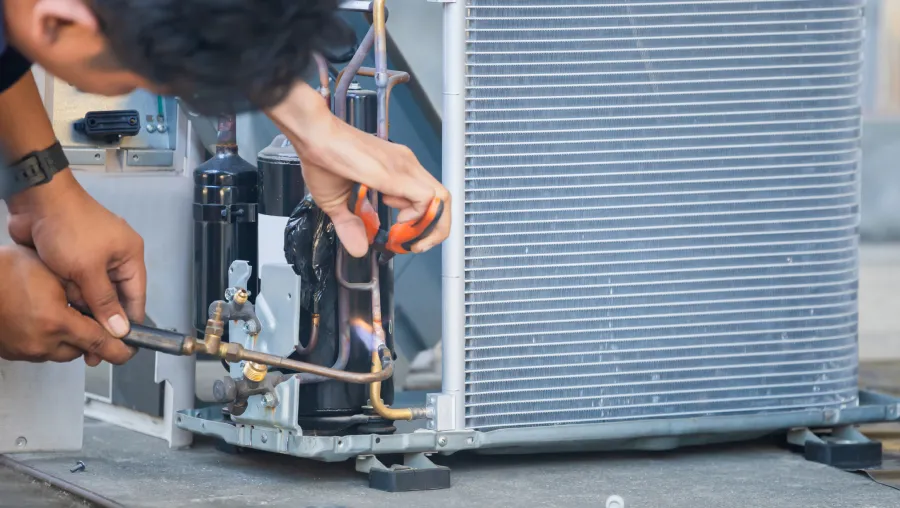
Maintain Comfort in Broken Arrow, OK, and Tulsa, OK
Regular HVAC inspections help homeowners and businesses understand equipment condition, identify developing concerns, and make informed decisions about system maintenance. We review heating and cooling operation, assess accessible components, and explain findings in straightforward terms.
Our services include:
- HVAC system inspection: We evaluate accessible heating and cooling components, observe equipment operation, and identify visible concerns that may affect performance, airflow, or consistent indoor temperatures.
- HVAC annual inspection: We assess system condition, review maintenance needs, and identify potential operating concerns to help property owners prepare their heating and cooling equipment for seasonal demands.
- Heating system inspection: We check accessible heating components, review startup and operating behavior, and investigate reported concerns that may affect system performance during colder weather.
- Air conditioning inspection: We assess cooling operation, examine accessible equipment, and evaluate reported problems involving temperature control, unusual noises, or airflow during warmer months.
- Commercial HVAC inspection: We review accessible commercial heating and cooling equipment, including rooftop units when applicable, and explain maintenance or repair concerns affecting building comfort and operations.
- Residential HVAC inspection: We assess home heating and cooling equipment, thermostat operation, and airflow concerns to help homeowners understand system condition and recommended maintenance.
Our inspection process begins with a discussion of equipment concerns and operating history. We then evaluate accessible components, review system behavior, and explain identified issues and appropriate next steps.
Inspection duration and pricing depend on equipment type, system accessibility, property size, and the number of units requiring evaluation. More extensive assessments may require additional time or specialized testing.
For identified equipment concerns, we also provide air conditioning service and heating service.
Understand Your HVAC System Before Problems Grow
Understanding your heating and cooling equipment’s condition can help you make informed decisions about maintenance, repairs, and future replacement needs. At Palmer Heat and Air, we focus on identifying actual system concerns rather than recommending unnecessary equipment purchases or services. Our team uses 28 years of industry experience to evaluate operating conditions, explain inspection findings, and discuss practical next steps. When inspections reveal airflow restrictions or damaged ducts, we can recommend appropriate solutions through our ductwork installation and repair offerings. Whether you want to investigate unusual equipment behavior, prepare for seasonal temperature changes, or understand the condition of an aging system, we provide clear information that supports responsible HVAC care.
As a family-owned business established in 2025, we value integrity, personal attention, and consistent communication throughout every customer interaction. We explain identified concerns and discuss available maintenance or repair options before recommending additional work. Our comfort plans provide participating customers with 10% savings on repairs, no overtime rates, and preferred customer benefits. If your inspection reveals that equipment replacement may be appropriate, qualifying customers can also explore promotional financing with 0% interest for 60 months, subject to approval and applicable terms. Choose Palmer Heat and Air as your trustworthy solution for HVAC inspection service in Broken Arrow, OK, Tulsa, OK, and surrounding communities, and contact us today to arrange an equipment assessment tailored to your property.
Enjoy Savings With Our Comfort Plans
Protect your comfort and manage repair expenses with 10% savings on repairs, no overtime rates, and preferred customer benefits through our comfort plans.
Frequently Asked Questions About HVAC Inspections
-
Many heating and cooling systems benefit from professional inspections at least once a year, although maintenance recommendations vary by equipment type, manufacturer requirements, and operating conditions. Systems used heavily during both summer and winter may benefit from separate seasonal checks. We assess accessible components, review equipment operation, and identify concerns that may require maintenance or repairs. Regular inspections can help property owners make informed decisions about system care, but they cannot prevent every unexpected failure.
-
An HVAC inspection generally involves reviewing accessible heating and cooling components, checking system operation, evaluating thermostat response, and identifying visible maintenance or performance concerns. The specific checks depend on equipment type, property conditions, and reported problems. We explain our findings and discuss recommended next steps based on the equipment’s condition. Additional diagnostic testing or repairs may be necessary when an inspection identifies problems that require further evaluation.
-
Inspection time depends on the number of HVAC systems, equipment accessibility, system complexity, and any concerns requiring additional evaluation. A straightforward residential inspection may take less time than assessing multiple commercial units or rooftop equipment. Unexpected operating problems can also extend the assessment process. We review your property’s equipment and inspection requirements before discussing anticipated scheduling and the scope of work.
-
HVAC inspection costs vary according to equipment type, property size, the number of systems being evaluated, and the extent of the requested assessment. Inspecting one residential heating and cooling system typically involves different requirements than evaluating several commercial rooftop units. We discuss the inspection scope and applicable pricing before beginning work. If additional repairs or diagnostic testing are recommended, we explain those options separately so you can make an informed decision.
-
Yes. HVAC inspections can help identify operating concerns that may contribute to increased energy consumption, including restricted airflow, equipment performance problems, and thermostat issues. We evaluate accessible components and explain findings that may affect heating and cooling operation. Addressing identified problems can support more efficient equipment performance, although actual savings depend on system condition, building characteristics, energy rates, and usage patterns. We recommend improvements based on observed concerns rather than promising specific reductions in utility costs.